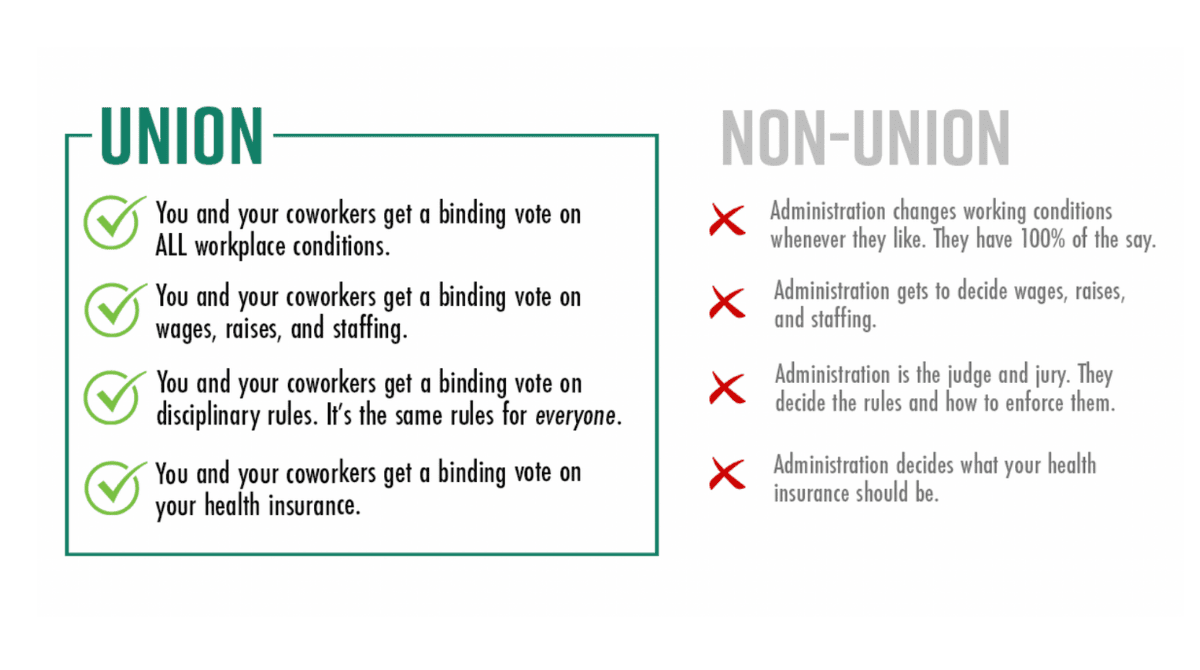
Forming a union can be one of the most powerful steps employees take to secure better pay, fair treatment, and a stronger voice in the workplace. But many workers hesitate because they fear retaliation or even termination. The good news is that in the United States, federal law protects your right to unionize. Understanding these protections—and how to organize safely—can make the process far less intimidating.
This updated 2025 guide explains your legal rights, what employers are forbidden from doing, and the exact steps to form a union without risking unlawful termination.
Your Legal Right to Unionize
Under the National Labor Relations Act (NLRA), most private-sector employees have the right to:
- Form, join, or assist a union
- Talk to coworkers about unionizing
- Distribute union materials during non-work time
- Wear union pins, buttons, or t-shirts (with limited exceptions)
- Sign union authorization cards
- Participate in organizing activities
Your employer cannot legally fire you, discipline you, demote you, or threaten you for participating in union activities. These rights are enforced by the National Labor Relations Board (NLRB), the federal agency responsible for protecting workplace organizing.
What Your Employer Cannot Do
The NLRA clearly prohibits employers from engaging in what is called “unfair labor practices.” This includes any action meant to intimidate or discourage union activity. Your employer may not:
- Fire or discipline you for supporting a union
- Threaten to close the business if workers unionize
- Spy on or appear to spy on union meetings
- Question workers in a coercive or intimidating way
- Offer raises, promotions, or benefits to discourage unionizing
- Prohibit union discussions while allowing other non-work conversations
If your employer does any of these things, it is considered an unfair labor practice and can result in penalties, reinstatement, or back pay through the NLRB.
When Union Activity Is Not Protected
Your right to unionize is strong, but not unlimited. If you engage in union activities during work time while neglecting job duties, discipline may be lawful as long as the employer applies the same rules to all non-work conversations. Similarly, distributing union flyers in work areas during work time can be restricted—just like any other solicitation.
The key rule is simple: union activity is protected on your own time and in non-work areas, unless your employer applies rules inconsistently or discriminatorily.
How To Form a Union in a Non-Union Workplace
The process for unionizing is straightforward, and most of it is completely legal to do without notifying the employer. Here are the major steps recognized by the NLRB:
1. Talk to Your Coworkers
Unionizing starts with conversations. You’re allowed to discuss wages, conditions, treatment, and the possibility of forming a union—especially during breaks, before or after shifts, and in non-work areas.
2. Contact a Union Organizer (Optional but Helpful)
Most unions have professional organizers who can help with planning, legal questions, and strategy. This help is free and confidential.
3. Form an Organizing Committee
This small group of committed employees becomes the backbone of the campaign, helps educate coworkers, and ensures communication remains consistent.
4. Collect Authorization Cards
To move to a formal election, at least 30% of employees must sign authorization cards or a petition supporting the union. Most successful campaigns aim for well above 50% before filing.
5. File an Election Petition With the NLRB
Once a sufficient number of signatures is collected, the petition is filed with the local NLRB office. The Board will determine which employees should be in the voting group (the “bargaining unit”).
6. Participate in the Secret-Ballot Election
The NLRB schedules a confidential vote—either in person, by mail, or a combination of the two. If the union receives a majority of votes cast, it becomes the exclusive bargaining representative for that workplace.
7. Begin Collective Bargaining
After certification, the employer is legally required to bargain in good faith. Workers then negotiate their first union contract on pay, hours, benefits, and workplace protections.
How To Stay Protected During the Process
While you cannot be legally fired for supporting a union, many workers worry about subtle retaliation. These steps help protect you:
- Keep conversations on your own time whenever possible
- Document any inappropriate comments or threats
- Report unfair labor practices to the NLRB quickly
- Avoid posting sensitive organizing details on social media
- Consult a union organizer or labor attorney if unsure
Most employers follow the law carefully, because violating the NLRA creates serious legal consequences. Still, documentation and awareness are important forms of protection.
FAQs
Can you be fired for attempting to unionize?
No. The NLRA prohibits employers from firing, disciplining, or threatening workers for union activity. If it happens, the NLRB can order reinstatement and back pay.
Do unions prevent you from being fired?
Union contracts typically require “just cause” for termination, meaning the employer must prove a legitimate reason. This provides far more protection than at-will employment.
Can a company fire everyone if they unionize?
No. Mass retaliation for unionizing is illegal. Employers cannot shut down a location, reduce benefits, or fire employees because they chose to organize.
How do I unionize my workplace?
The NLRB outlines a standard seven-step process: speak with coworkers, contact a union, form a committee, know your rights, collect authorization cards, hold a vote, and begin bargaining.
Final Thoughts
Unionizing is a legally protected right in the United States, and millions of workers rely on unions for fair treatment, stronger contracts, and better workplace protections. With a clear understanding of the law and careful planning, you can form a union without risking unlawful retaliation—and give yourself and your coworkers a powerful voice in shaping your workplace.